
Oxnard · Masonry Services
Stucco
Stucco repair, patching, re-coating and full remediation, color and texture matched to the existing wall.
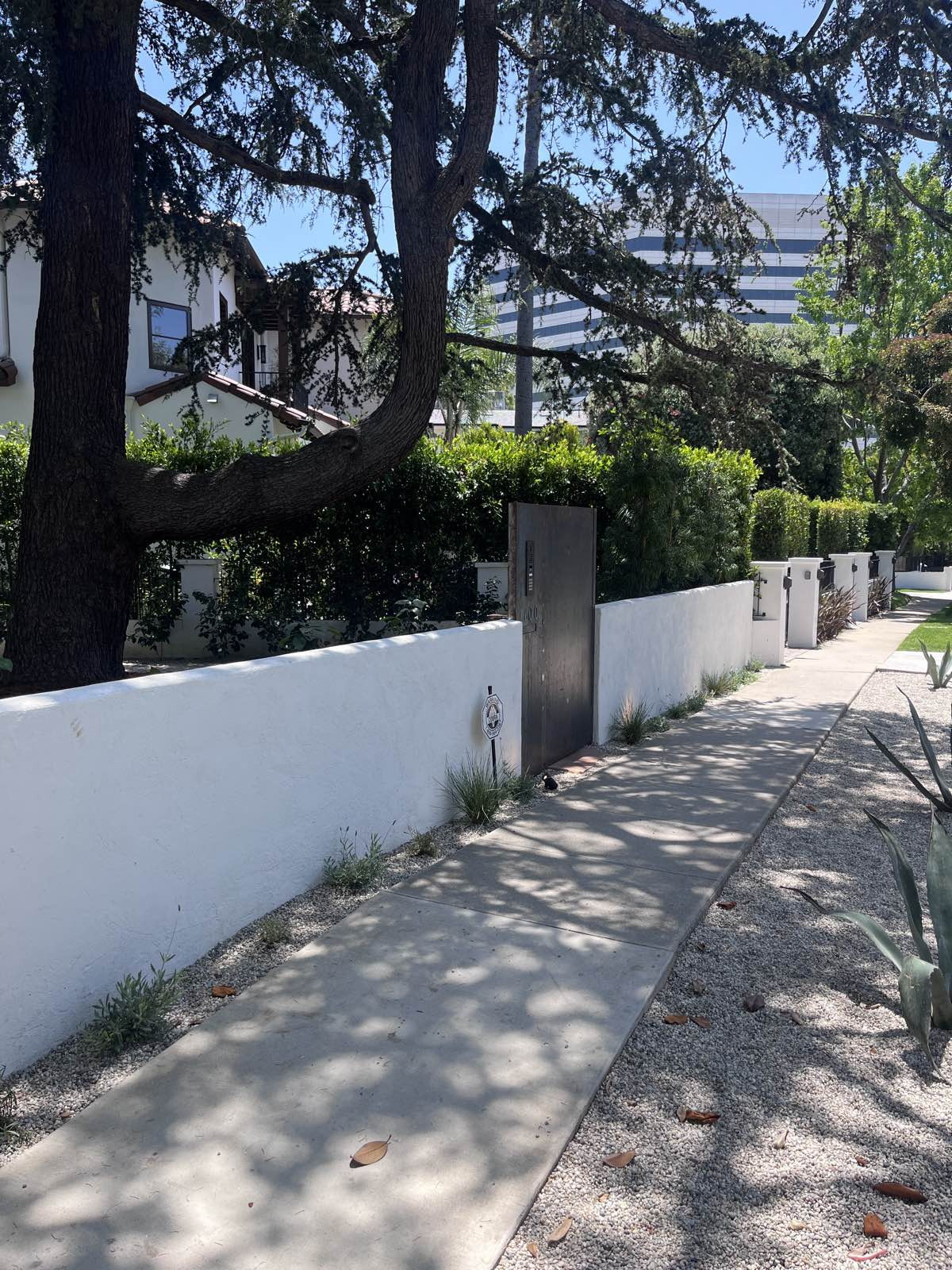
Stucco · Oxnard
Stucco Repair and Re-Coating
Most of Ventura County is stucco, and most stucco calls start as something cosmetic. A crack over a window, a stain running below a scupper, a hollow patch that sounds different when you tap it. The question that matters is whether water has got behind the surface, because stucco is a coating over paper and lath, and once the paper is compromised the wall is wet whatever the outside looks like. We do stucco repair on cracks and damaged areas, texture and color matching so a patch does not stand out, full wall re-coats, and stucco remediation where the substrate underneath has to come off and be rebuilt. Coastal properties in Oxnard and Port Hueneme need particular attention, since salt-laden air works into every opening it finds. Stucco often goes on alongside our block work, and a stucco coat is a common finish for the walls we build under Commercial Masonry and for garden walls generally.
What Makes Our Stucco Work Different
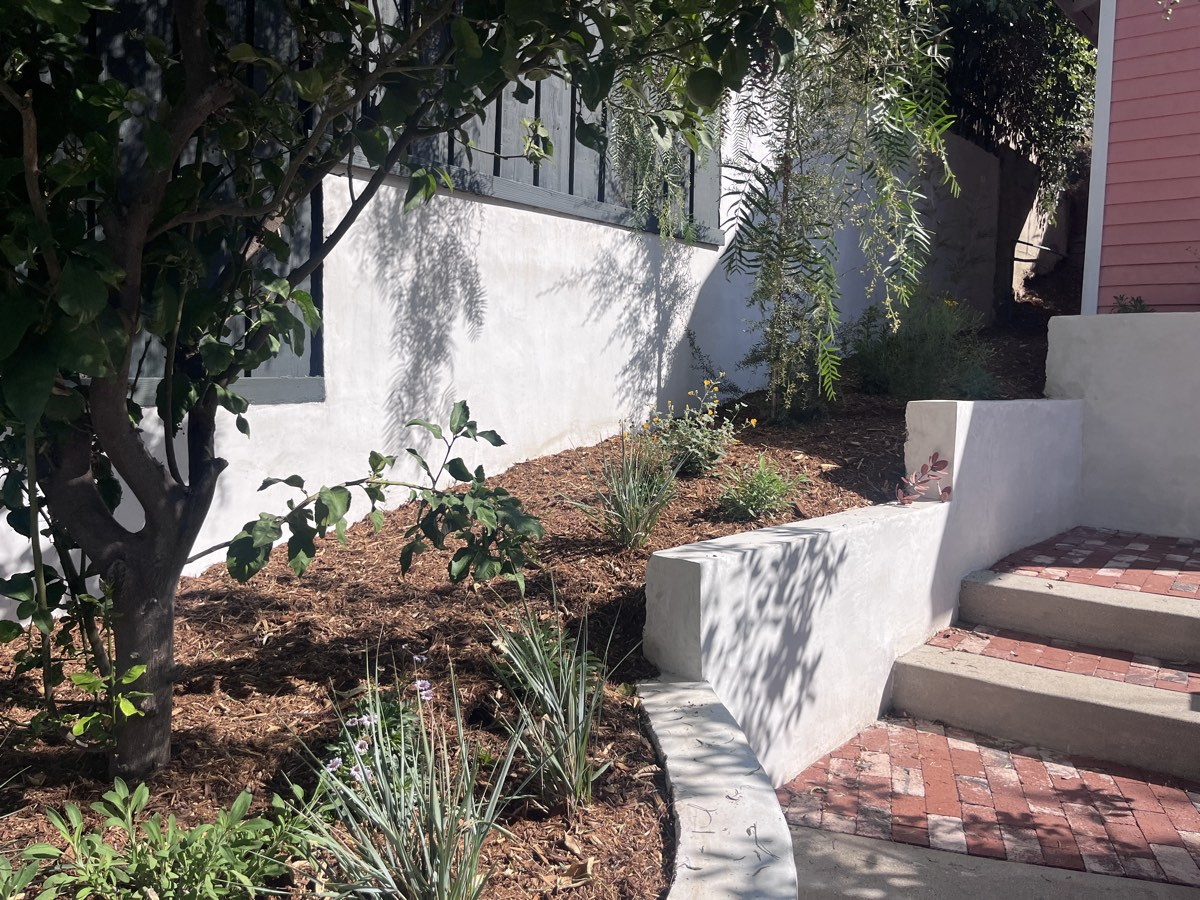
Patching stucco is easy. Patching it so you cannot see the repair from the driveway is not, and repairing it so the wall dries properly afterwards is a different skill again. We cut back to sound material rather than feathering over damage, rebuild the paper and lath where it has failed, and use a breathable coat system so moisture can leave the assembly. Then we match the texture by hand, because a machine-applied dash next to a hand-floated finish will always read as a repair. The same standard applies across the rest of the masonry work we take on.
- Damage traced to its cause before anything is coated over.
- Cut back to sound lath and paper, with the weather barrier rebuilt where needed.
- Texture matched by hand: dash, lace, sand float, smooth and everything between.
- Breathable systems, so a wall is never sealed shut with moisture inside it.
- Color matched wet and checked dry, since stucco changes as it cures.
- Coastal detailing at openings, scuppers and wall bases where salt does its damage.
Reasons to Repair Stucco Now
Stucco damage compounds quietly. These are the signs worth acting on:
Cracks wider than a business card
Hairline crazing is cosmetic and normal. Cracks wider than about a sixteenth of an inch let water into the wall and need professional stucco repair before the paper behind them gives way.
Staining, streaking or efflorescence
Dark streaks below windows and scuppers, or white salt bloom on the surface, mean water is moving through the wall rather than off it. The stain is the symptom; the flashing or the coat above it is the cause.
Hollow or drummy areas
Tap the wall. A hollow sound means the coat has lost its bond with the lath, and that section will eventually come off in a sheet. Better to take it off deliberately and rebuild it.
Damage at the base of a wall
Stucco carried down to grade wicks moisture up from the soil. Cutting a proper weep screed and holding the coat off the ground is a standard fix and prevents the whole base of the wall failing again.
You are painting or selling
Paint over unrepaired stucco locks the damage in and often makes the drying problem worse. Repair first, then paint. Inspectors also flag drummy stucco during escrow, which is a much worse time to find out.
New masonry needs a finish
Block walls, planters and columns take a stucco coat well, and colored finish coats mean no repainting. We coat the walls we build, including work quoted under Brick Laying where brick and stucco meet on the same elevation.
Photograph the crack with something for scale beside it, plus a wide shot of the wall, and we can usually scope the repair from that. Call: 805-301-6837
How We Work
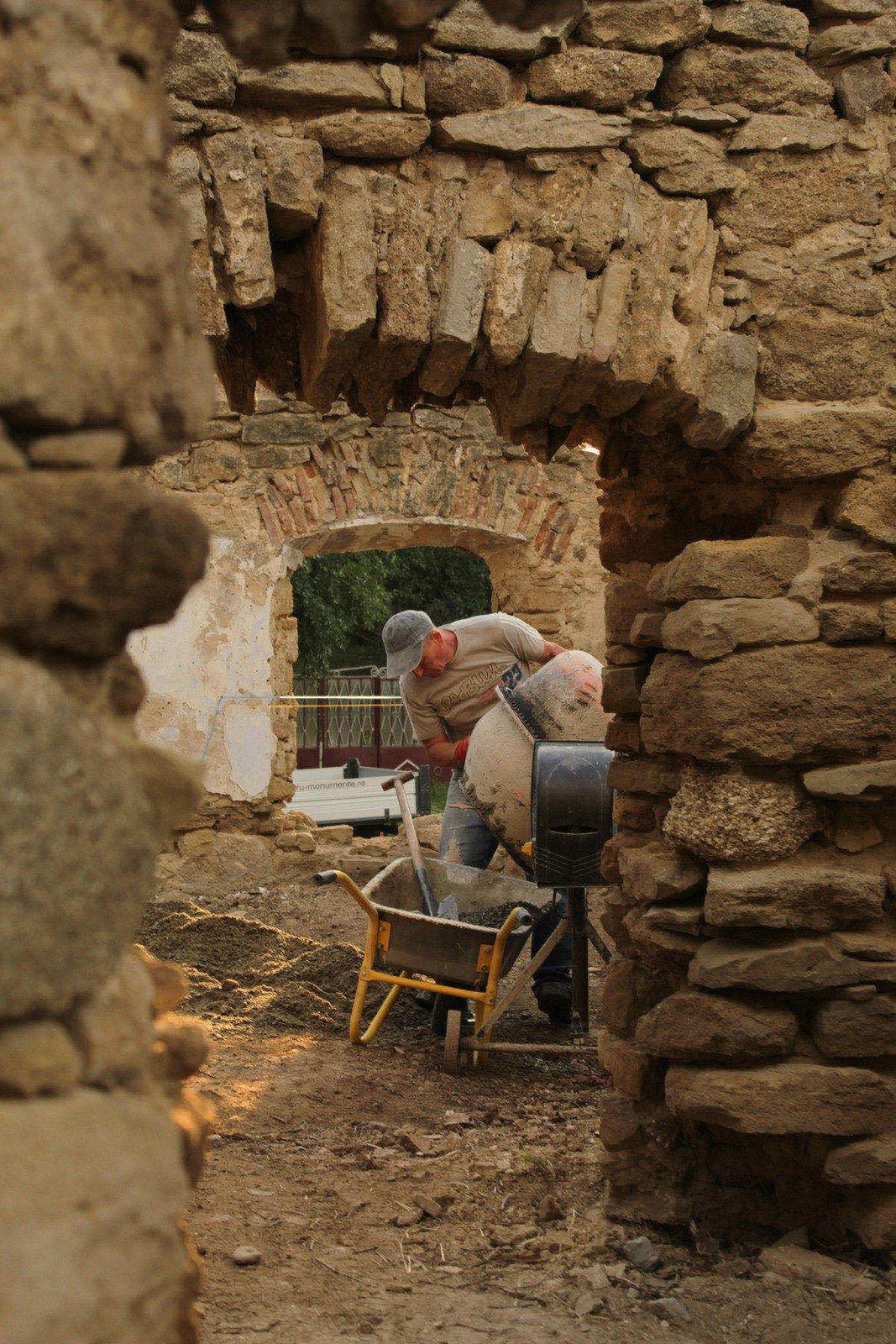
From the first walkthrough to the final cleanup, the same crew is on your property.
1. Find the cause
We sound the wall to map what has lost bond, look at flashing, scuppers and the base detail, and check moisture where staining suggests it. Coating over an active leak buys a season at most, so the source gets addressed first.
2. Cut back and rebuild the substrate
Failed stucco is cut back to sound material with clean edges. Where the paper and lath are damaged, they are replaced and lapped correctly so water sheds outward, and a weep screed is added at the base if one is missing.
3. Coat, texture and color
Scratch and brown coats where the repair is full-depth, then the finish coat matched to the existing texture by hand. We mock up the texture on a spare board first. Colored finish coats are mixed to match, and the wall is kept damp while it cures so it does not craze.
Stucco Work We Take On
What the stucco side of the business covers:
Crack repair
Routing, filling and texturing cracks so the repair disappears into the wall, plus tracking down whether the movement causing them is structural or seasonal.
Patching and texture matching
Section repairs matched to dash, lace, sand float, Santa Barbara or smooth troweled finishes. The match is done by hand on site rather than approximated.
Full re-coat
A new finish coat over an entire elevation or house, which resets the color and texture and is often better value than patching a wall that is failing in a dozen places.
Stucco remediation
Full removal back to the framing where moisture has compromised the substrate, then rebuilding the barrier, lath and coats. This is a different job from a repair and is priced as one.
Stucco on new masonry
Finish coats over block walls, planters, columns and chimney chases, with integral color so the wall never needs painting.
Weep screeds, flashing and base details
The parts that decide whether a wall dries. Getting the base detail right is why a repaired wall stays repaired.
What Affects the Cost of Stucco
Stucco pricing separates cleanly into surface work and substrate work:
- Crack and small patch repair is usually a fixed-price visit, priced by the number and size of the areas rather than by square foot.
- Section repair and texture matching is priced per square foot and depends heavily on how distinctive the existing texture is.
- Stucco remediation, meaning full removal and replacement, runs about $8 to $12 per square foot because the barrier and lath are rebuilt behind it.
- Height and access. Second-story work needs scaffold, which adds setup time before any material is mixed.
- Color. Matching an aged, sun-faded finish coat takes trial batches, and a full-wall re-coat sometimes costs less than an invisible patch.
- What is underneath. If framing has rotted where water sat, that repair is separate and quoted openly before we proceed.
Free written estimates, flat-rate. Where a wall needs both stucco and structural repair we quote them as one scope, including any Concrete work at the base of the wall.
Frequently Asked Questions
How long does stucco last?
Traditional three-coat stucco on a sound wall runs 50 to 80 years; synthetic EIFS gets 20 to 30. Neither usually fails because the material wore out. Water gets in through an open crack, an unflashed window head or a blocked weep screed and sits against the sheathing, and that is what ends a wall. Sealing cracks as they appear is the whole maintenance requirement.
What causes stucco to crack?
Three things account for nearly all of it: the building moving, the mix, and water. Settlement and seasonal framing shrinkage put the wall in tension. A mix that was too lean, or overworked on the float, cracks sooner than a well-proportioned one. Once a crack is open, water and the salt it carries get behind the finish and start on the lath and the paper. Under a sixteenth of an inch is cosmetic; wider than that we would seal.
How much does stucco remediation cost?
Budget $8 to $12 per square foot for true remediation: strip back to the sheathing, replace the paper and flashings, cut out any framing that has gone soft, then rebuild three coats. A recoat over a sound wall costs a small fraction of that. Nothing visible on the outside tells you which one you need, so we cut an inspection opening during the estimate and price against what is actually behind the wall.
Planning masonry work in Ventura County?
Send a few photos and rough measurements and we will come back with a written estimate at no charge.
Or call us now: 805-301-6837