
Oxnard · Masonry Services
Concrete
Driveways, patios, stairs, walls, stamped finishes, repair, and city sidewalk and driveway apron work.
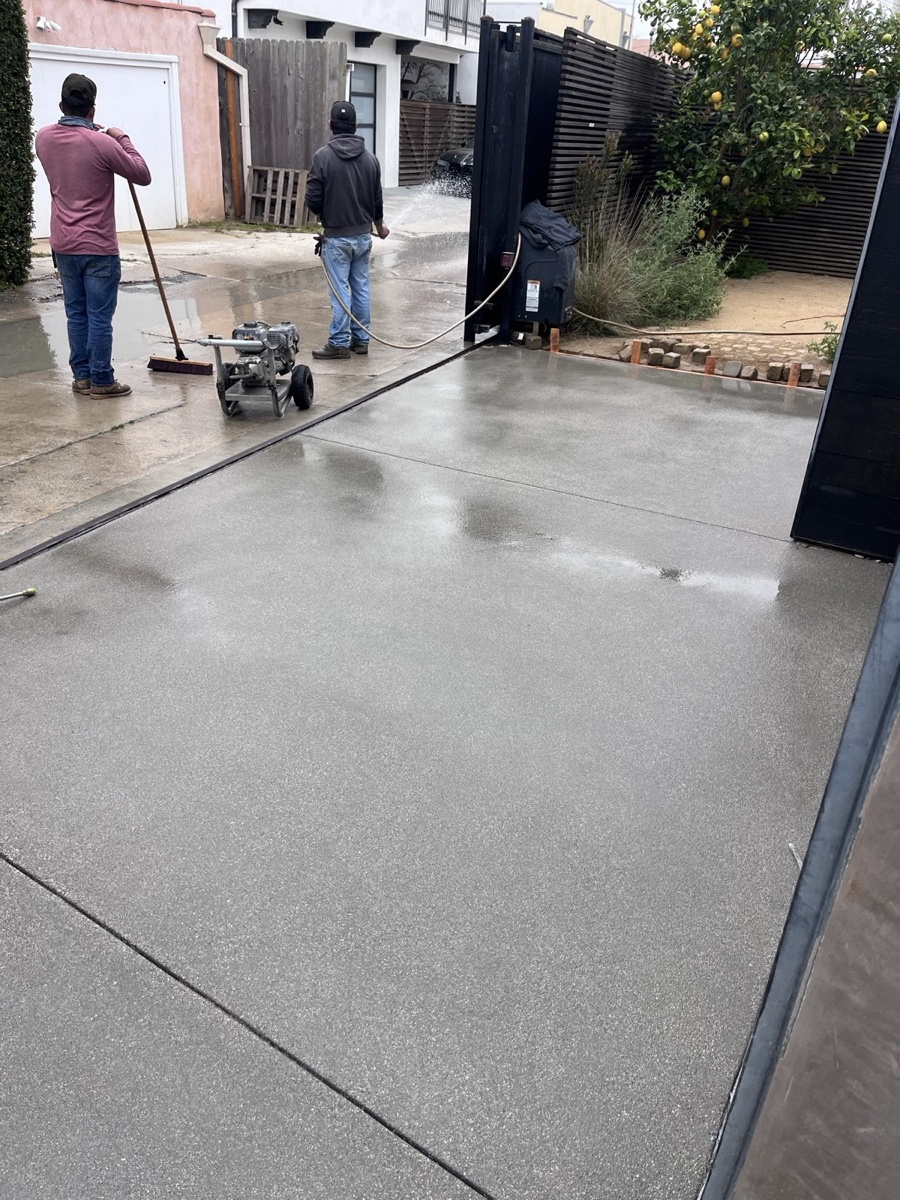
Concrete · Oxnard
Flatwork, Stairs and Structural Concrete
Concrete is the most common material we pour and the one most often placed badly. We do concrete driveways, concrete patios, concrete stairs, concrete walls and concrete repair, plus stamped concrete where a homeowner wants pattern and color, and city sidewalks and driveway aprons where the work sits in the public right of way and has to meet the city’s detail. Good flatwork is mostly preparation: a compacted subgrade, correct thickness, steel or fiber where the load calls for it, and control joints cut early and spaced so the slab cracks where you planned rather than where it wants. Ventura County adds its own conditions, with expansive clay inland and sandy plain soils near Oxnard, and the mix and the base get adjusted for both. Concrete also underpins most of the other work we do, from the footings under Retaining Walls to the slabs beneath Pavers.
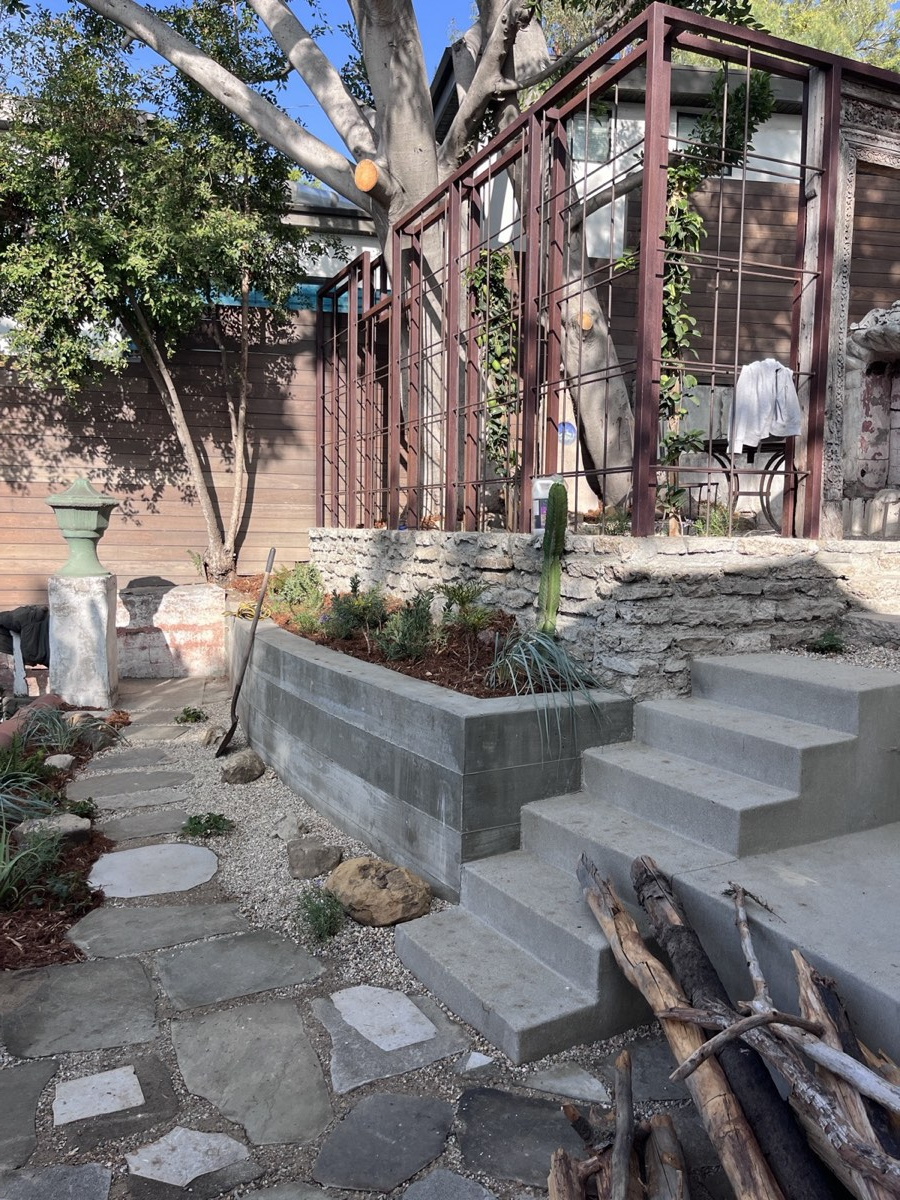
Why Go With Us for Concrete
A concrete pour is a one-shot job. Once it goes off, everything about it is permanent: the thickness, the reinforcement, the joint layout, the finish and the cure. We size the slab for what will actually drive on it, cut joints the same day rather than the next week, and keep the surface damp through the early cure instead of letting an inland afternoon flash the water out of it. Those habits cost a day and buy decades. They apply just as much to the footings behind the rest of our full range of masonry services as they do to a visible driveway.
- Subgrade compacted and tested before any forms go up.
- Slab thickness and reinforcement matched to the actual load, including RV and truck parking.
- Control joints cut early and laid out so cracking is planned, not random.
- Mix adjusted for heat inland and for the salt exposure near the coast.
- Slabs kept damp and covered through the first days rather than left to cure dry.
- City sidewalk and driveway apron work built to the municipal detail and inspected.
Reasons to Pour or Replace Concrete
The situations that usually bring homeowners to a concrete contractor:
The driveway is cracked, lifted or sunken
Diagonal cracks across a parking apron, panels lifted by roots, or a section that has dropped at the joint all point to base failure rather than surface wear. Resurfacing hides it for a season. Replacing the affected panels on a proper base fixes it.
You want a patio that will not move
A concrete patio poured on a compacted base with correct joints stays flat under furniture and traffic for decades, and it can be stamped, colored or scored so it does not read as a plain gray slab.
Steps have settled or are out of code
Concrete stairs with inconsistent rise, no handrail core or a cracked stringer are a fall risk and a problem at sale. Rebuilding them on a proper footing solves both.
The city has tagged your sidewalk
City sidewalks and driveway aprons in the public right of way have their own specification and inspection. We do this work regularly in Oxnard and Ventura, pull the encroachment permit and build to the city detail.
You need structural concrete for a build
Footings, stem walls, equipment pads and concrete walls that carry load. These are engineered where required and tied into the rest of the work rather than poured in isolation.
The surface is spalling or pitting
A surface that is flaking or dusting was usually finished with water worked into it or cured too fast. Concrete repair can resurface it where the slab beneath is sound, and where it is not, we say so.
Send photos of the cracking and a rough square footage, and we will tell you whether it is a repair or a replacement before we come out. Call: 805-301-6837
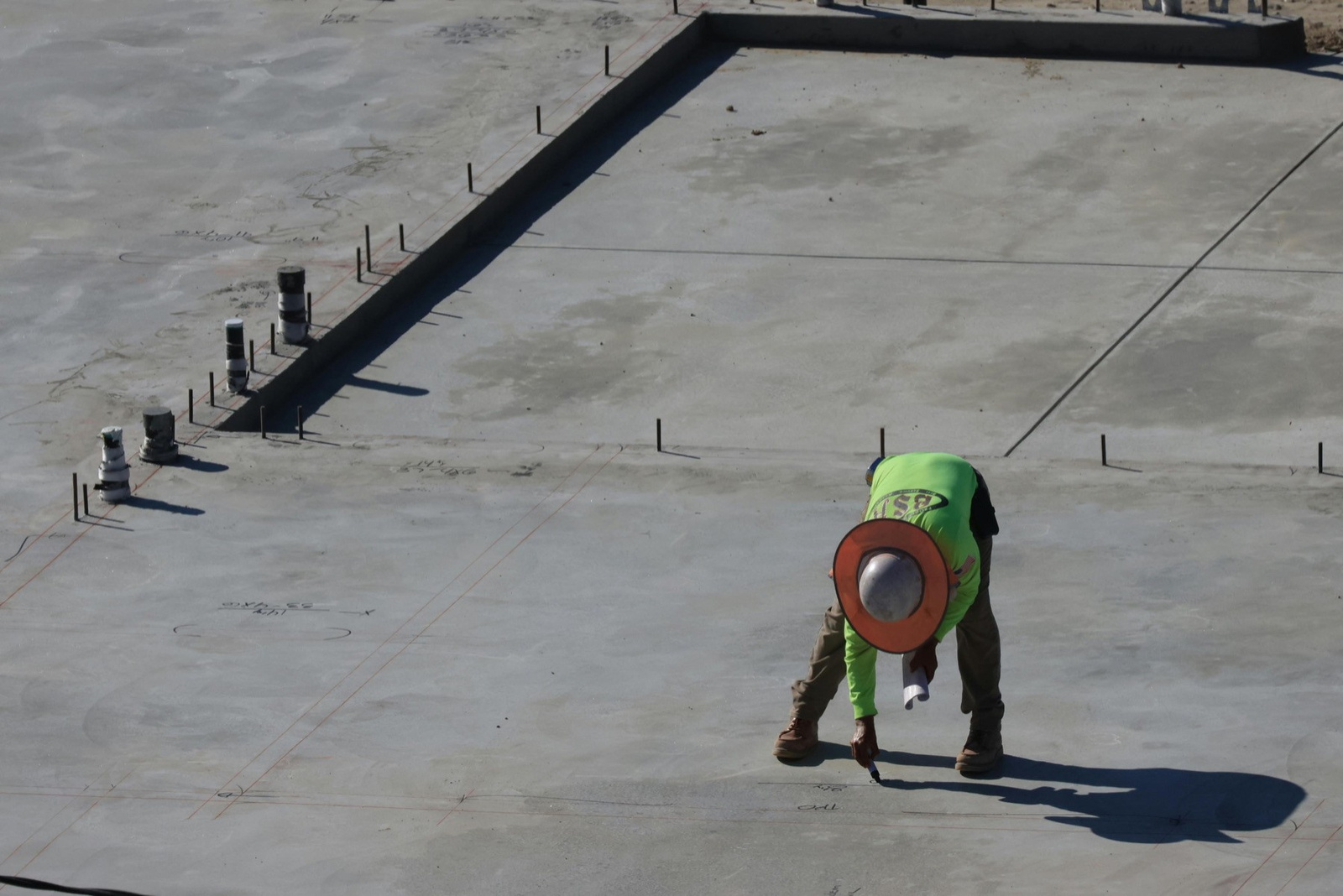
How We Work
From the first walkthrough to the final cleanup, the same crew is on your property.
1. Assessment and layout
We measure, check drainage and slope, look at what failed if something did, and dig to see the base. Then you get a written scope covering thickness, reinforcement, joint layout, finish and how the water will run once the pour is in.
2. Demolition, base and forms
Old concrete comes out and is hauled away. Subgrade is graded and compacted, base rock is added where it is needed, and forms are set to the finished elevations with the fall built in. Steel or mesh goes in, chaired up so it sits inside the slab rather than on the dirt.
3. Pour, finish and cure
Concrete is placed, screeded, floated and finished to the texture agreed, whether broom, salt, exposed aggregate or stamped. Control joints are cut the same day. Then the slab is kept damp and protected while it cures, and we tell you exactly when you can walk on it and when you can park.
Concrete Work We Take On
The concrete jobs we are called for most:
Concrete driveways
Poured at the thickness the vehicles justify, with steel through the parking areas and joints laid out to the panel sizes. Aprons at the street are built to the city detail where they fall in the right of way.
Stamped concrete
Pattern and color pressed into the fresh surface, from ashlar slate to running bond brick and cobble. Stamped concrete costs less upfront than pavers and gives a continuous surface with no joints to weed.
Concrete patios
Broom, salt, exposed aggregate or troweled finishes, scored or banded to break up the expanse. These pair well with a low seat wall or a stone border laid at the same time.
Concrete stairs
Poured stairs on a footing, with consistent rise and run, a slip texture on the treads and cores set for a handrail where one is required.
Concrete walls
Formed and poured walls for retaining, screening or structure, with the steel cage tied before the pour. Board-form and sandblast finishes are both available where the wall is a feature.
Concrete repair
Panel replacement, crack repair, resurfacing over a sound slab, and grinding down trip hazards. Where a repair is only going to buy a year or two, we will tell you that rather than sell it.
City sidewalks and driveway aprons
Right-of-way work built to the municipal standard, with the encroachment permit filed and the inspection met. This comes up regularly when a homeowner gets a notice from the city.
What Affects the Cost of Concrete
Concrete is priced per square foot, and the finish and the prep decide where in the range you land:
- Plain broom-finished flatwork typically runs $6 to $15 per square foot installed, depending on thickness, reinforcement and access.
- Stamped concrete generally runs $12 to $18 per square foot, versus $15 to $30 for pavers, so it is often the value option on a large area.
- Demolition and disposal of existing concrete is a real line item, especially where the old slab is thick or reinforced.
- Thickness and steel. A four-inch patio slab and a six-inch driveway with rebar are different products at different prices.
- Access for the truck. If the mix has to be pumped or wheeled to the back of a property, that adds labor and equipment.
- Right-of-way work carries permit and inspection costs, and city details often require more thickness than a private slab would.
Every estimate is free, written and flat-rate. Concrete is frequently quoted together with Stucco or wall work when a project touches both, so you see one number for the whole job.
Frequently Asked Questions
How long does concrete last?
Expect 25 to 50 years from a slab that got a properly compacted base, adequate thickness and reinforcement in the right position. Shortchange any of those and repairs can start inside a decade. The silty clay soils across much of the Oxnard Plain move with moisture, so base preparation matters more here than the mix does. Stamped and colored finishes want resealing every two to three years to keep their appearance.
What is better, stamped concrete or pavers?
Stamped concrete installs cheaper, about $12 to $18 per square foot against $15 to $30 for pavers, and gives one unbroken surface. Its drawback is that cracking is permanent and patches show. Pavers lift and relay, so settlement, staining and trenching for a new line are all repairable, and they tend to hold resale value better. On a wide driveway the cost gap is real; on a small patio it rarely decides anything.
How long before you can walk on new concrete?
Foot traffic after 24 to 48 hours. Keep vehicles off for at least seven days. The slab continues gaining strength out to 28 days, though normal use is fine after that first week. We barrier the pour and give you the exact date it will take a car, because driving on green concrete is the most common way a brand new driveway ends up cracked.
Planning masonry work in Ventura County?
Send a few photos and rough measurements and we will come back with a written estimate at no charge.
Or call us now: 805-301-6837